From Aqua Guide, the free encyclopedia
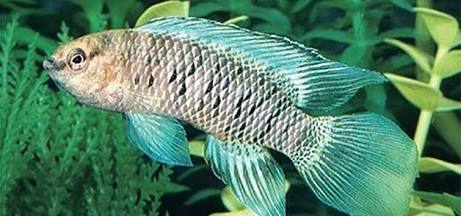
Blue Badis
Badis badis
- Temperature
- 18–26 °C
- pH
- 6 – 8
- Min. tank size
- 75 L
- Lifespan
- 4-6 years
- Diet
- carnivore
- Care level
- moderate
| Scientific classification | |
|---|---|
| Scientific Name: | Badis badis |
| Family: | Badidae |
| Origin: | Asia (Ganges and Brahmaputra drainages) |
| Care Characteristics | |
| Care Level: | moderate |
| Diet: | carnivore |
| Max Size: | 7.10 cm |
| Water Type: | freshwater |
| Temp Group: | tropical |
| Temperament: | peaceful |
| Min Group: | 2+ together |
| Varieties: | No cultivated strains — this is a wild-caught fish from the Ganges drainage in India, Bangladesh and Nepal, with records from the Mahanadi, the Assam lowlands near the Brahmaputra, Bhutan and Pakistan. Colour varies enormously with mood, population and condition, so two fish from the same shipment can look quite different. The genus Badis has expanded substantially in recent decades and several species reach the trade, often mislabelled: Badis badis is the original; B. ruber and the scarlet badis Dario dario — a separate genus and much smaller — are the other common ones. All share the cave-spawning habit and the reluctance to take dry food. |
| Lifespan: | 4-6 years |
Quick Tips
- Bioload:Low
- Min Tank:75 L
- Substrate:Any
- Plant Safe:Yes
- Filtration:Standard
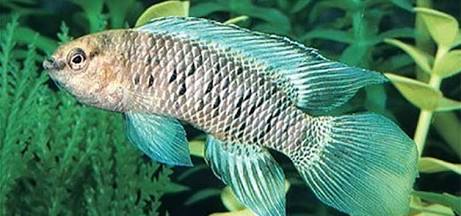
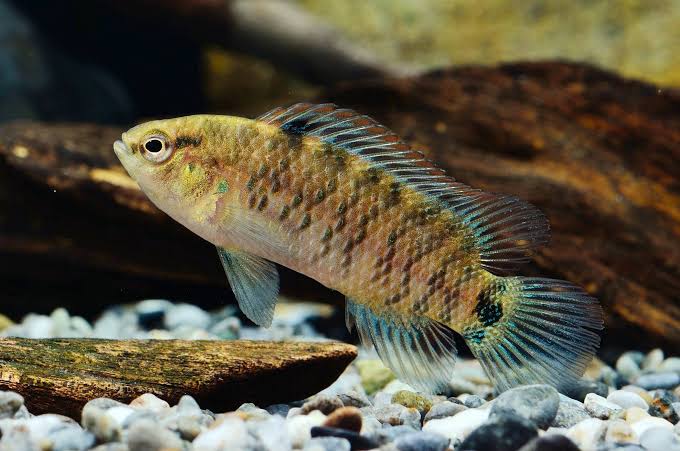
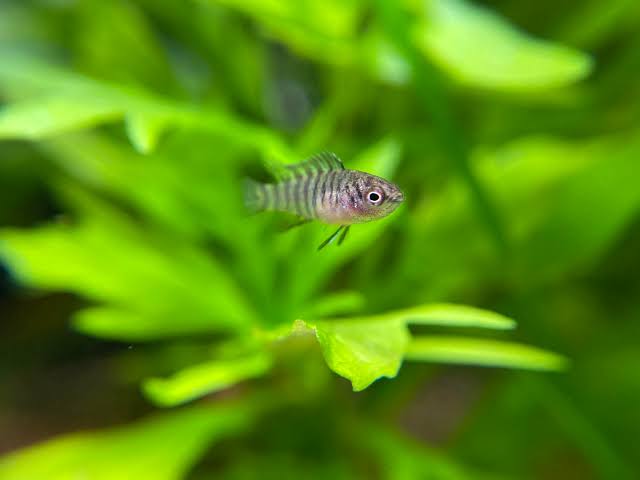
Blue Badis (Badis badis) is a species of fish in the family Badidae. It is native to Asia (Ganges and Brahmaputra drainages). The blue badis changes colour like a chameleon and is named for it — the family is called the chameleonfishes. A settled male shifts through blue, red-brown and near-black within minutes depending on mood, rivalry and light, and a fish in a bare shop tank shows none of it. It reaches 7.1 cm and lives alone in rivers, ponds, ditches and swamps across the Ganges drainage in India, Bangladesh and Nepal, with records from the Mahanadi, the Assam lowlands, Bhutan and Pakistan. It eats worms, crustaceans and insects, and many specimens refuse dry food entirely — live and frozen is the reliable route. It is a cave spawner producing 30 to 100 eggs, and it is quiet, slow and easily out-competed.
Compatibility
- Temperament
- peaceful
- Keep in
- Groups of 2+
- Swims
- bottom
- Fin nipper
- No
- Delicate fins
- No
Species similar to Blue Badis
Matched on family, then category, then water type