From Aqua Guide, the free encyclopedia
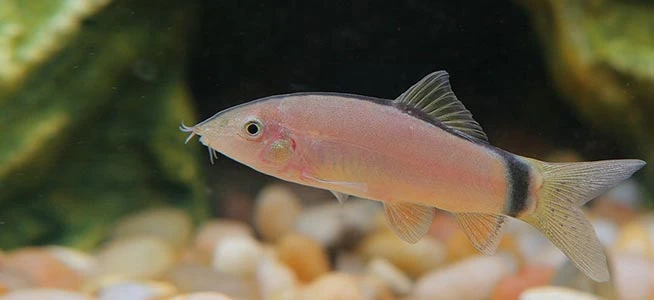
Skunk Loach
Yasuhikotakia morleti
- Temperature
- 23–28 °C
- pH
- 6 – 7.5
- Min. tank size
- 108 L
- Lifespan
- 8-10 years
- Diet
- omnivore
- Care level
- moderate
| Scientific classification | |
|---|---|
| Scientific Name: | Yasuhikotakia morleti |
| Family: | Botiidae |
| Origin: | Southeast Asia (Mekong and Chao Phraya basins) |
| Care Characteristics | |
| Care Level: | moderate |
| Diet: | omnivore |
| Max Size: | 8.50 cm |
| Water Type: | freshwater |
| Temp Group: | tropical |
| Temperament: | semi aggressive |
| Min Group: | 6+ together |
| Varieties: | No cultivated strains — this is a wild-type fish, and the dark dorsal stripe is its defining marking. Juveniles display vertical bars that fade with maturity, which sometimes causes shop fish to be misidentified. The species is distinguished from the rare Yasuhikotakia longidorsalis by that dark dorsal stripe. The genus is the useful context. Yasuhikotakia was split from Botia and contains several fish familiar in the trade: Y. modesta, the blue botia; Y. sidthimunki, the dwarf chain loach, which is far more peaceful and much smaller; and Y. eos among others. Most of them share the same requirements — groups, structure, a tight lid and robust tank mates. If you want a small, active loach for a genuinely peaceful community, the dwarf chain loach is the species to look at instead: similar charm, a fraction of the trouble. |
| Lifespan: | 8-10 years |
Quick Tips
- Bioload:Medium
- Min Tank:108 L
- Substrate:Soft sand; caves and hiding spots
- Plant Safe:Plant-safe
- Filtration:Moderate to high (clean, oxygenated water)
Skunk Loach (Yasuhikotakia morleti) is a species of fish in the family Botiidae. It is native to Southeast Asia (Mekong and Chao Phraya basins). The skunk loach is small, characterful and considerably more trouble than its size suggests. It reaches 85 mm standard length and carries a dark stripe along the back that gives it its name. It is active, intelligent and engaging in the way the Botia group generally is. It is also combative. Specialists describe it as tending to nip fins and generally harass tank mates, especially when maintained in smaller groups — which makes it unsuitable for a peaceful community however appealing it looks in the shop. The management is numbers. These are gregarious fish needing groups of at least five or six specimens and preferably ten or more, and a single individual becomes either withdrawn or excessively aggressive. Like other Botia relatives it carries sharp, motile sub-ocular spines that erect when the fish is stressed.
Compatibility
- Temperament
- semi aggressive
- Keep in
- Groups of 6+
- Swims
- bottom
- Fin nipper
- Yes
- Delicate fins
- No
Species similar to Skunk Loach
Matched on family, then category, then water type